What Is a 9 Days Ram Katha?
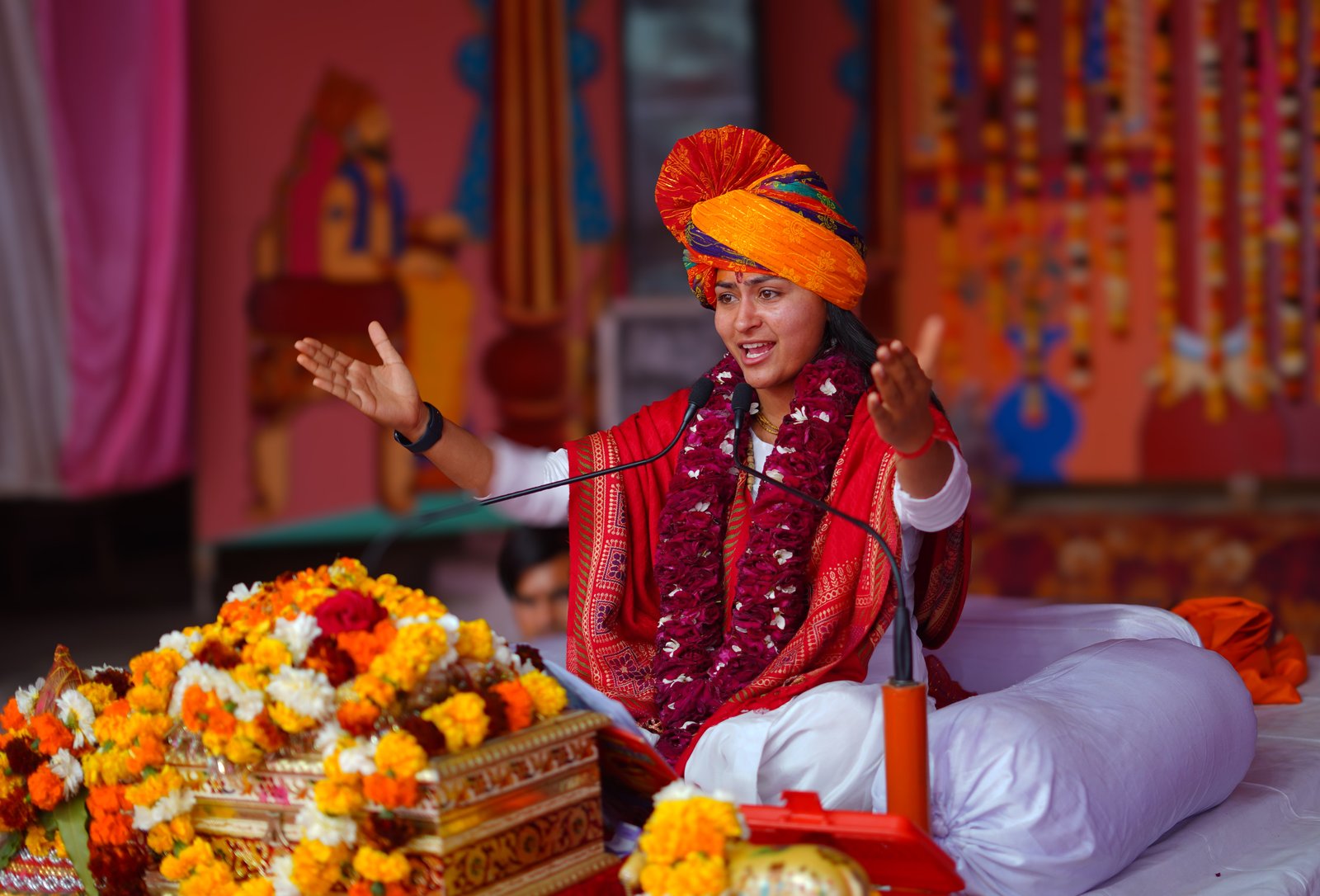
Imagine thousands of devotees sitting together under a massive decorated pandal, the air thick with incense, and a kathavachak narrating the timeless story of Maryada Purushottam Shri Ram in a voice that gives you goosebumps. That experience — raw, spiritual, unforgettable — is what a Ram Katha delivers. A Ram Katha is a religious discourse based on the life and teachings of Lord Ram, primarily drawn from Valmiki Ramayan and Tulsidas-composed Ramcharitmanas. When organized over nine consecutive days, it becomes a deeply immersive spiritual journey for an entire community. The 9 Days Ram Katha Booking has become increasingly popular across India — from small towns in Uttar Pradesh and Madhya Pradesh to major cities like Delhi, Mumbai, and Ahmedabad — as more families and trusts seek to organize this sacred event for occasions such as:
- Death anniversaries (Shradh)
- Griha Pravesh blessings
- Community festivals
- Charitable and social trust events
- Personal fulfillment of a manauti (vow)
Why 9 Days? The Spiritual Significance
Nine holds a sacred place in Hinduism. Navratri lasts nine nights. The Navagrahas are nine planetary bodies. And a Ram Katha, when spread across nine days, allows the narrator — the kathavachak — to cover the entire Ramcharitmanas in its most enriching, detailed form.
Each day of the katha has its own focus:
| Day | Theme Covered |
|---|---|
| Day 1 | Bal Kand — Birth of Shri Ram |
| Day 2 | Rams childhood and gurukul |
| Day 3 | Sita Swayamvar |
| Day 4 | Ayodhya Kand — Vanvas |
| Day 5 | Aranya Kand — Forest life |
| Day 6 | Kishkindha Kand — Sugriv alliance |
| Day 7 | Sundar Kand — Hanuman s leap |
| Day 8 | Lanka Kand — Battle of Lanka |
| Day 9 | Uttara Kand — Rams return, Rajyabhishek |
This structured flow is why the 9 Days Ram Katha format is considered spiritually complete and is preferred by most organizers and attendees alike.
Step-by-Step 9 Days Ram Katha Booking Process
Organizing a Ram Katha event requires planning that starts at least 3 to 6 months in advance. Here is a practical, real-world breakdown of the process.
Step 1: Set a Date and Check the Panchang
Always begin by consulting a Jyotishi or Pandit to confirm an auspicious date aligned with the Hindu Panchang. Popular months for Ram Katha events include Chaitra (Ram Navami season), Shravan, and Kartik. Avoid Pitru Paksha (unless organized for shraddh purposes) and dates clashing with major local festivals.
Step 2: Identify and Contact a Kathavachak
The kathavachak is the soul of the entire event. Some well-known Ram Katha speakers across India include:
- Morari Bapu (Mahuva, Gujarat) — one of the most respected voices in Ram Katha tradition
- Devkinandan Thakur Ji — extremely popular in North India
- Ramesh Bhai Oza (Bhaishri) — Gujarat-based, deeply scholarly
For regional or local events, dozens of qualified regional kathavachaks are available. You can find them through:
- Local temple trusts and religious committees
- Word-of-mouth from previous organizers
- Dharmic organizations and Sanatan Sanstha networks
- YouTube channels of recognized kathavachaks
Always verify credentials, previous event references, and availability before confirming.
Step 3: Confirm the Booking Formally
Once you have shortlisted a kathavachak, request a formal confirmation that includes:
- Dates and daily session timings (usually morning + evening)
- Dakshina (honorarium) amount and payment terms
- Travel and accommodation requirements
- Whether the kathavachak brings their own team (harmonium, tabla, singers)
The 9 Days Ram Katha Booking should always be confirmed in writing — either via a formal agreement letter or documented WhatsApp/email communication.
Step 4: Register the Event with Local Authorities
For large public events, you will need:
- Permission from the local municipal body or gram panchayat
- Police intimation or NOC for public gatherings
- Loudspeaker permission from the district magistrate office
- Traffic management coordination if the venue is on or near a main road
This step is frequently overlooked and causes last-minute stress. Handle it at least 6 to 8 weeks before the event.
Step 5: Arrange Logistics
- Pandal and seating: Contact a reliable tent and pandal contractor
- Sound system: A professional audio setup is non-negotiable for a 9-day event
- LED screens: Essential for large gatherings so everyone can see the stage
- Prasad and langar: If you plan to feed attendees, arrange kitchen support
- Parking and crowd management: Hire volunteers or engage an agency
How to Choose the Right Kathavachak
This is the most critical decision in any Ram Katha Anushthan booking. Here are the factors to evaluate:
Experience and Lineage - A good kathavachak typically comes from a lineage of Ramayan scholars or has received formal training under a senior guru. Ask about their training background.
Audience Connect - Watch recordings from their previous kathas. Can they hold attention? Do they blend storytelling with spiritual insight, humor, and practical life lessons? The best vachaks make Ram Katha feel relevant to everyday life.
Language and Regional Match - A Hindi-speaking kathavachak may not work well for a Gujarati audience and vice versa. Match the speaker to your primary audience.
Team and Accompaniment - Most established kathavachaks travel with a kirtan mandali — singers, a harmonium player, a dholak player. Confirm whether this team is included in the dakshina or needs to be arranged separately.
Availability and Advance Booking - Well-known kathavachaks are booked 12 to 18 months in advance. If you want a popular name, start your 9 Days Ram Katha Booking process early — very early.
Budget Planning for a Ram Katha Event
Costs vary enormously depending on the scale of the event, location, and the kathavachak you invite. Here is a realistic cost breakdown:
| Item | Estimated Cost (INR) |
|---|---|
| Kathavachak Dakshina | 1,50,000 – 25,00,000+ |
| Pandal and Tent | 50,000 – 5,00,000 |
| Sound and Lighting | 40,000 – 3,00,000 |
| Decoration (stage, flowers) | 30,000 – 2,00,000 |
| Prasad and Bhandara | 20,000 – 5,00,000 |
| Printing and Invitations | 10,000 – 50,000 |
| Miscellaneous (permissions, travel) | 20,000 – 1,00,000 |
Total Estimated Range: 3,20,000 – 41,50,000+
For community-funded events, set up a dedicated Ram Katha Samiti that collects donations from local families and businesses. Many businesses are happy to contribute as a form of seva and brand goodwill.
Venue, Pandal, and Decoration Setup
The venue sets the atmosphere. A well-decorated Ram Katha pandal can elevate the spiritual experience significantly.
Venue Options:
- Open grounds near temples or rivers
- School or college sports grounds
- Community halls (for smaller gatherings)
- Private farmhouses or resort grounds
Decoration Guidelines:
- Stage backdrop should feature Ram Darbar — Ram, Sita, Lakshman, and Hanuman
- Use marigold garlands, banana leaf pillars, and fabric torans
- Install a proper idol or large framed portrait of Shri Ram for daily puja
- Keep the main walking path clear and well-lit for early morning and evening sessions
Seating Arrangement:
- Separate seating sections for men and women (traditional setup)
- Reserved front rows for elderly attendees and special guests
- Ensure ample space for wheelchair users
Common Mistakes to Avoid
Even well-intentioned organizers fall into avoidable traps. Here are the most common ones:
Booking too late - Good kathavachaks have packed schedules. Starting the Ram Katha Anushthan Booking process less than 3 months before the event almost always leads to disappointment.
Ignoring local government permissions - Skipping this step can result in the event being shut down — a disaster that affects thousands of devotees.
Underestimating the Bhandara budget - If you announce free prasad or langar, crowds can be 3 to 5 times larger than expected. Always overestimate food quantities.
Poor sound system investment - Cutting costs on audio is one of the biggest mistakes. A poor system makes even the best kathavachak hard to hear and follow.
No contingency fund - Always keep 15 to 20 percent of the total budget as a reserve for unexpected expenses — rain, extended sessions, extra guests.
FAQ Section
Q1. How far in advance should I do the 9 Days Ram Katha Booking?
Ideally, start planning 6 to 12 months before your intended date. For well-known kathavachaks, you may need to book 12 to 18 months in advance due to high demand.
Q2. What is the dakshina for a Ram Katha speaker?
Dakshina varies widely. A local or regional kathavachak may accept 1 to 5 lakhs, while nationally recognized speakers command 15 to 25 lakhs or more. Always discuss this transparently before confirming the booking.
Q3. Can a Ram Katha be organized at home?
Yes, small-scale Ram Katha events can be organized at home, typically for 3 to 5 days rather than 9 days. The setup is simpler, with a smaller gathering of family and friends.
Q4. What permissions are needed for a public Ram Katha event?
You typically need a police intimation/NOC, loudspeaker permission, municipal or panchayat permission for use of public land, and sometimes traffic management coordination.
Q5. Is there an online platform to find Ram Katha speakers?
There is no single centralized platform yet. Most organizers find kathavachaks through temple networks, religious trusts, YouTube channels, and personal recommendations from previous event organizers.
Conclusion
Organizing a 9 Days Ram Katha is one of the most profound acts of seva a family, trust, or community can undertake. It creates a spiritual anchor in the lives of hundreds or thousands of people — listeners who may carry those nine days with them for the rest of their lives. The 9 Days Ram Katha Booking process is detailed but absolutely manageable when you plan early, choose the right katha vachak, secure all permissions, and build a strong organizing committee around you.
Start with devotion. Let the logistics follow. And trust that when Shri Ram is at the center of the effort, everything finds its way.